
Why Guardianship Planning is Essential for Families
Introduction: Understanding Guardianship Planning
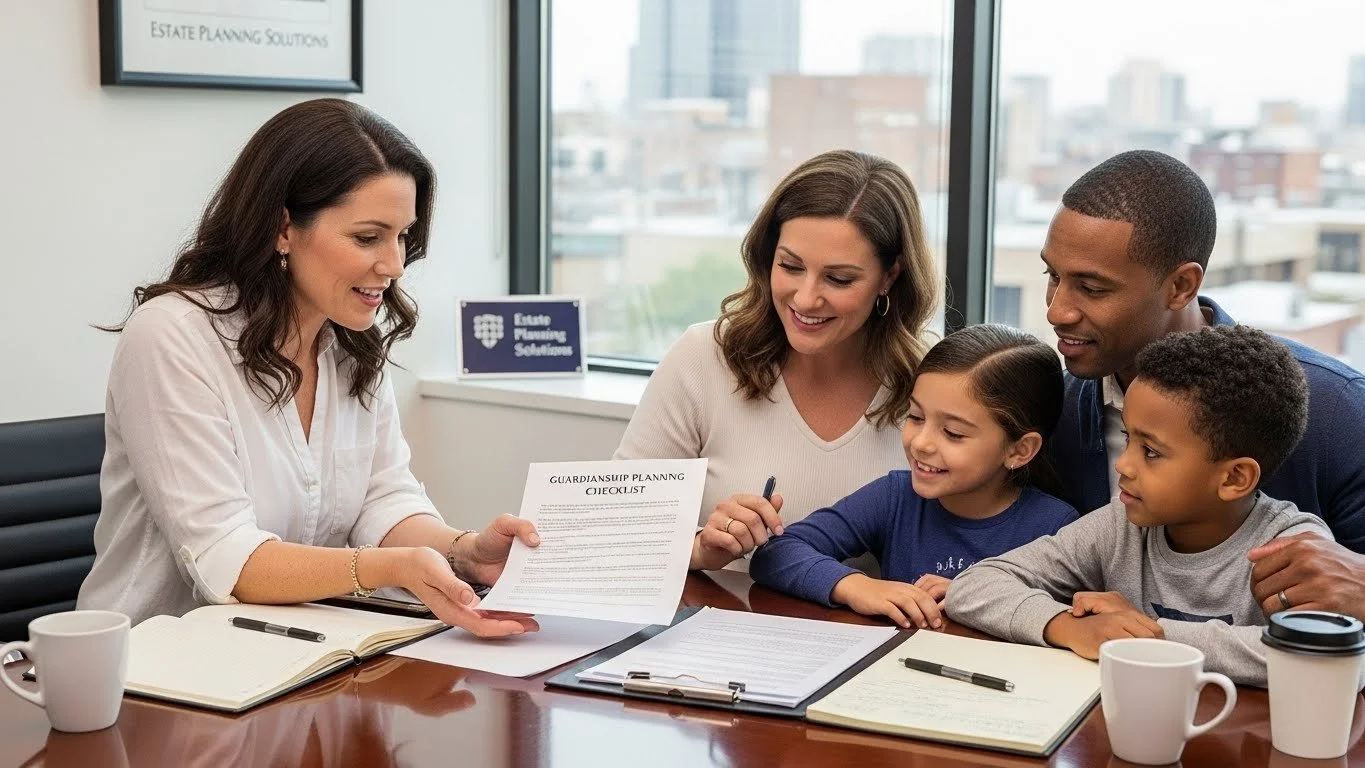
Guardianship planning is a critical and often overlooked aspect of family planning that ensures the long-term well-being, safety, and security of your loved ones in the event of unforeseen circumstances. At its core, guardianship planning involves legally designating a responsible adult to care for your children, dependents, or vulnerable family members if you are unable to do so due to illness, incapacity, or untimely death. By taking these proactive steps, you create a safety net that protects your family’s future, giving peace of mind for both you and your loved ones.
Proper legal guardianship planning is not only about compliance with state laws; it is also a thoughtful act of responsibility, foresight, and love. Families who invest time and effort in careful planning can prevent unnecessary stress, reduce potential conflicts, and avoid uncertainty during emotionally challenging periods. Planning in advance reflects your care for your dependents and demonstrates foresight in securing their future, ensuring that they are protected even when life takes unexpected turns.
Who Needs Guardianship Planning?
Guardianship planning is essential for various groups of families, and the need may vary depending on your unique family circumstances.
Families with Minor Children: If you have children under the age of 18, establishing a guardianship plan ensures that someone you trust will make important decisions on their behalf, including healthcare, education, daily care, and emotional support. A well-planned guardianship guarantees that your children continue to grow in a safe, nurturing environment, even if you cannot be present.
Families with Dependents with Special Needs: Guardianship planning provides stability and protection for vulnerable family members who may not be able to fully care for themselves. By carefully outlining the responsibilities of the guardian, families can ensure that these dependents receive the care, support, and resources they need throughout their lives, avoiding confusion or disputes among relatives.
Elderly Family Members: Seniors may also benefit from guardianship planning, especially when appointing someone to manage medical, financial, or personal affairs if they become incapacitated. Ensuring that a trusted individual can step in prevents potential exploitation, neglect, or mismanagement and provides reassurance that your loved ones are safeguarded.
By identifying who needs protection and addressing their unique circumstances, families can proactively safeguard their dependents’ well-being and create a plan that provides clarity, security, and long-term peace of mind.
Legal Aspects of Guardianship Planning
Understanding the legal framework is critical when preparing for guardianship to avoid errors that could compromise your plan. The guardianship process in California involves several steps, including filing a petition with the local superior court, providing documentation to justify the necessity of guardianship, and attending court hearings to finalize the appointment. The court will evaluate your petition, ensure the proposed guardian is suitable, and confirm that the decision aligns with the best interests of the dependent.
A skilled guardianship attorney can help families navigate this often complex process, ensuring that all legal documents are accurate, complete, and compliant with state requirements. Engaging professional legal guidance from trusted experts like Erisman Law provides assurance that your family’s interests are protected and that the guardianship process proceeds smoothly, reducing delays and avoiding potential disputes.
Benefits of Early Guardianship Planning

Proactively planning guardianship provides numerous long-term benefits, helping families make informed decisions with confidence:
Protecting Your Children’s Future: Naming a guardian ensures that your children are cared for by someone you trust, safeguarding their physical, emotional, educational, and social development. A carefully selected guardian will uphold your values and parenting philosophies, maintaining continuity in their upbringing.
Ensuring Your Wishes Are Respected: Early planning allows you to clearly outline your preferences in legally binding documents, reducing the risk of misunderstandings or conflict among family members. By detailing instructions for healthcare, education, and general welfare, your intentions are preserved and enforced.
Minimizing Family Disputes: Families often face disagreements over guardianship decisions when no clear plan exists. A written plan provides a clear path, mitigating conflict and reducing stress during emotionally charged situations.
Peace of Mind: Knowing that your dependents are secure and supported provides confidence and emotional relief for parents and family members alike. You can rest assured that your loved ones are in capable, responsible hands if the unexpected occurs.
Planning early allows families to address potential challenges proactively, make adjustments over time, and ensure that the guardianship plan evolves as children or dependents grow and circumstances change.
How to Choose the Right Guardian
Selecting the right guardian is one of the most important decisions you will make, and thoughtful evaluation is key:
Evaluate Values and Lifestyle: The guardian should share your values, principles, and parenting or caregiving philosophies. They should be someone who understands your expectations and is capable of providing guidance in alignment with your family culture.
Assess Financial and Emotional Stability: The guardian should be capable of providing both practical support and emotional care. Consider their ability to manage finances, coordinate healthcare, and maintain a stable home environment for your dependents.
Open Communication: Discuss responsibilities with potential guardians to confirm their willingness and ability to assume the role. Clear communication ensures there are no surprises or misunderstandings if they need to step in.
Document Your Choice Legally: Engage a guardianship attorney to prepare formal legal documentation, ensuring that your chosen guardian has the authority to act when necessary and that the plan is enforceable under California law.
A well-chosen guardian ensures continuity, stability, and care for your family in alignment with your values and expectations, providing both reassurance and security.
Working with a Guardianship Attorney

A guardianship attorney plays a pivotal role in helping families navigate this sensitive and complex area of law. Attorneys provide expertise in preparing and filing required legal documents, guiding families through court proceedings, offering advice on potential legal pitfalls, and ensuring compliance with all applicable state and local regulations.
Partnering with experienced professionals like Erisman Law ensures your guardianship plan is comprehensive, legally compliant, and customized to your family’s unique needs. They provide ongoing guidance and can answer questions about changing circumstances, helping families adjust the plan as necessary to remain effective and relevant over time.
Common Challenges and How to Avoid Them
While guardianship planning is essential, families may face several challenges if planning is delayed or incomplete:
Disagreements Among Relatives: Conflicts over who should be appointed as guardian can delay proceedings and create emotional stress. Clear documentation and early communication reduce the risk of disputes.
Incomplete Documentation: Missing or improperly prepared legal documents can create complications, potentially invalidating the guardianship plan. Attorneys can ensure all paperwork is accurate and complete.
Changes in Circumstances: Family situations, guardians’ availability, or dependents’ needs may evolve. Regularly reviewing and updating your guardianship plan ensures it remains accurate and effective over time.
A guardianship attorney can guide you in avoiding these pitfalls, providing professional advice and ensuring your plan remains legally sound, comprehensive, and protective of your family.
FAQs
1. What is the role of a guardianship attorney?
A guardianship attorney assists families with legal documentation, court filings, and provides guidance throughout the guardianship process to ensure compliance with California law.
2. How does the guardianship process work in California?
The process requires filing a petition, providing evidence of necessity, attending court hearings, and obtaining court approval from the superior court.
3. Can guardianship planning be updated over time?
Yes. Plans can and should be revised as children or dependents grow, circumstances change, or if new guardians are needed to adapt to evolving needs.
4. Is guardianship planning necessary for adult dependents?
Yes. Guardianship planning can apply to adult dependents with special needs or elderly family members who require oversight of healthcare or finances.
5. What are the benefits of early guardianship planning?
Early planning ensures your family’s security, reduces disputes, and guarantees that your wishes are respected and legally documented, providing long-term peace of mind.