
Common Estate Planning Mistakes and How to Prevent Them

Estate planning is one of the most important steps you can take to protect your loved ones, preserve your assets, and ensure your wishes are honored. Unfortunately, many families unknowingly make costly errors that lead to confusion, legal conflict, and unnecessary financial loss. Understanding Estate Planning Mistakes to Avoid can save your family from stress, delays, and expensive court proceedings.
Whether you are starting your first plan or reviewing an existing one, recognizing these common missteps can help you build a stronger and more secure future for those you care about most.
Introduction: The Importance of Proper Estate Planning
A well-structured estate plan gives your family clarity, security, and legal protection. It defines how your assets are handled, who will make decisions if you cannot, and how your loved ones will be supported. Without proper planning, even simple estates can face legal challenges and delays.
Many families assume estate planning is only for the wealthy, but this belief often results in serious consequences. Estate planning is for everyone who owns property, has dependents, or wants to ensure their wishes are respected. Avoiding common mistakes allows your family to move forward confidently during difficult times.
Mistake 1: Not Having a Comprehensive Estate Plan
One of the biggest mistakes is failing to create a complete estate plan. Relying only on a simple will or postponing planning altogether leaves families vulnerable to legal complications and confusion. Without a comprehensive plan, courts may decide how your assets are distributed — which may not reflect your wishes.
A full estate plan addresses asset distribution, guardianship, decision-making authority, and long-term care instructions. It offers legal clarity and minimizes the risk of conflict among family members.
Mistake 2: Failing to Update Your Estate Documents
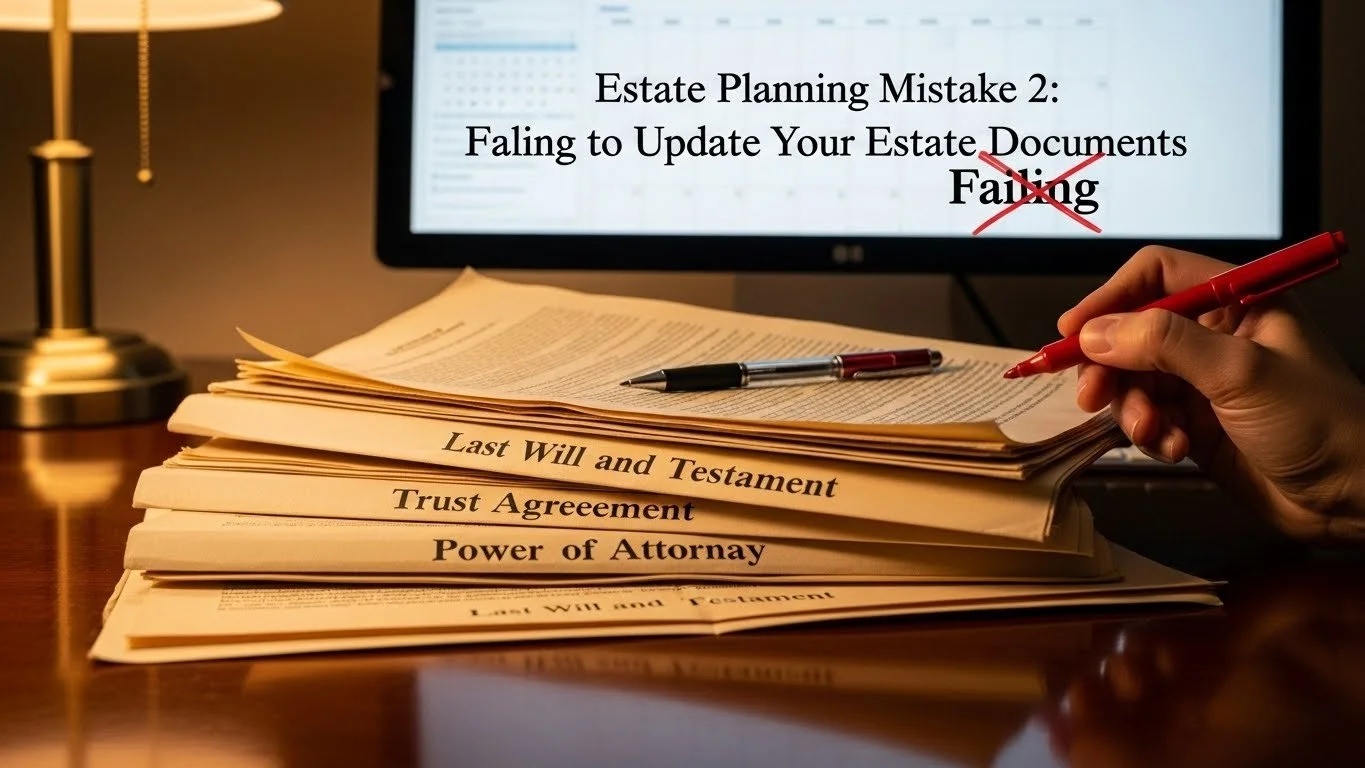
Life changes quickly, and your estate plan must reflect those changes. Marriage, divorce, relocation, the birth of children, or changes in financial circumstances can all impact your planning needs.
Outdated documents may name the wrong beneficiaries, appoint individuals who are no longer suitable, or create legal uncertainty. Regular reviews ensure your documents remain accurate and legally effective.
Mistake 3: Choosing the Wrong Executor or Trustee
Your executor or trustee plays a critical role in carrying out your wishes. Selecting someone without the proper skills, organization, or temperament can delay the process and create unnecessary conflict.
Choosing responsible and trustworthy individuals who can manage legal and administrative responsibilities helps ensure your estate is handled smoothly and fairly.
Mistake 4: Ignoring Tax and Financial Consequences
Failing to understand how taxes and legal obligations impact your estate can significantly reduce what your beneficiaries receive. Many families overlook these details, leaving loved ones with unexpected liabilities.
Strategic planning helps reduce unnecessary expenses and ensures more of your estate benefits your family rather than legal costs.
Mistake 5: Not Planning for Incapacity
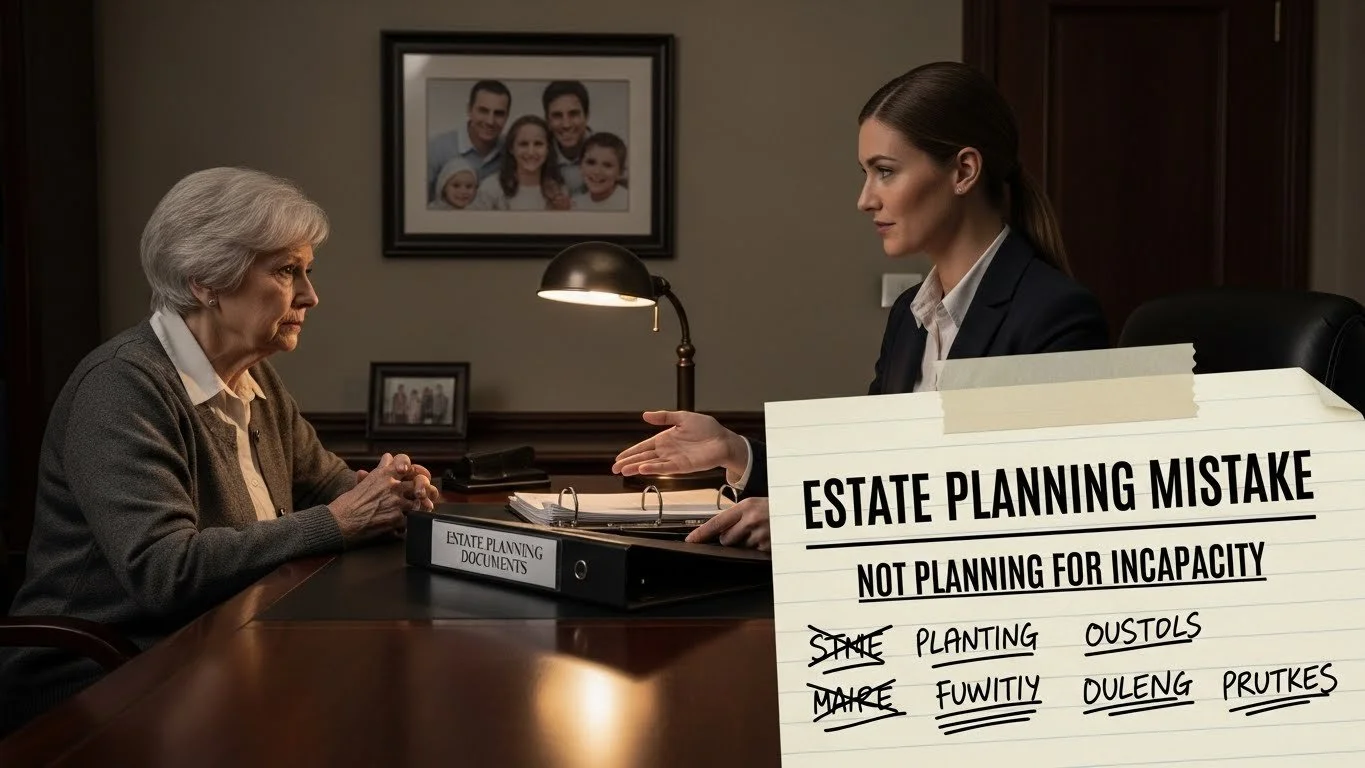
Estate planning is not just about what happens after death — it also protects you while you are alive. Without proper documents, your family may be unable to make medical or financial decisions on your behalf during illness or incapacity.
Planning ahead provides peace of mind and allows trusted individuals to step in when needed.
Mistake 6: Overlooking Beneficiary Designations
Accounts such as insurance policies, retirement plans, and payable-on-death assets operate independently from your will. If beneficiary designations are outdated, your assets may go to unintended recipients.
Reviewing these regularly ensures your intentions are honored.
Mistake 7: DIY Estate Planning Without Legal Guidance
While online templates may seem convenient, they often fail to address personal needs and state-specific requirements. This leads to incomplete, invalid, or conflicting documents.
Working with experienced professionals such as Erisman Law ensures your estate plan is legally sound and fully customized to your family’s situation.
How a Professional Estate Planning Attorney Can Help
An estate planning attorney provides personalized strategies, prepares legally compliant documents, and ensures your wishes are properly recorded. They also help families understand potential risks, prevent future disputes, and guide them through complex legal requirements.
If you are ready to protect your family and avoid costly mistakes, you can schedule your consultation through the contact page.
Final Thoughts: Protect Your Family and Legacy

Estate planning is more than paperwork — it is an act of care, responsibility, and love. It represents the thoughtful decisions you make today to protect the people you cherish tomorrow. Avoiding common planning mistakes now helps prevent unnecessary stress, costly delays, and painful legal disputes later.
A well-structured estate plan provides your family with security, clarity, and peace of mind during life’s most difficult moments. It ensures your wishes are honored, your assets are distributed properly, and your loved ones are spared from confusion and conflict when they need support the most.
By taking the right steps now, you create a lasting foundation of protection and stability. You ensure your legacy truly reflects your values, preserves what you have worked hard to build, and continues to support the people who matter most — not just today, but for generations to come.
FAQs
1. What are the most common estate planning mistakes?
Common errors include outdated documents, missing beneficiary designations, and failing to plan for incapacity.
2. How often should I update my estate plan?
You should review your plan every few years or after major life changes such as marriage, divorce, or relocation.
3. Can online templates replace professional estate planning?
Templates may overlook legal requirements and personal needs, making professional guidance far more reliable.
4. How can I prevent family conflicts over my estate?
Clear documentation, proper beneficiary designations, and professional legal guidance help minimize disputes.
5. When should I start estate planning?
As soon as you own assets, have dependents, or want your wishes legally protected.